The Importance of Turtles in Our Ecosystem
Updated: Jun 1
Turtles play several key roles in maintaining balance within their environments. Their activities influence water quality, plant life, and animal populations. Let’s dive into how these fascinating creatures contribute to ecosystem health.
How Turtles Support Ecosystem Health
Turtles are more than just cute creatures; they are essential for the ecosystems they inhabit. Here are some of the key roles they play:
Nutrient Cycling
Many turtles feed on plants, algae, and small animals. When they excrete, they return vital nutrients back into the environment. This process helps fertilize both aquatic and terrestrial ecosystems, supporting plant growth and overall biodiversity.
Seed Dispersal
Some turtle species munch on fruits and carry seeds over long distances. By depositing these seeds in new locations, turtles help regenerate forests and maintain plant diversity. Isn’t it amazing how a simple meal can lead to a flourishing forest?
Controlling Populations
Turtles often feast on insects, jellyfish, and other small creatures. This feeding helps keep certain populations in check, preventing overgrowth that could disrupt the food chain. Think of them as nature’s pest control!
Habitat Creation
Certain turtles dig burrows or nests that other animals later use for shelter. These structures provide homes for insects, amphibians, and small mammals, increasing habitat complexity. It’s like they’re building a community for other critters!

Examples of Turtles’ Ecological Impact
Let’s take a closer look at how specific turtle species impact their environments:
Sea Turtles and Coral Reefs
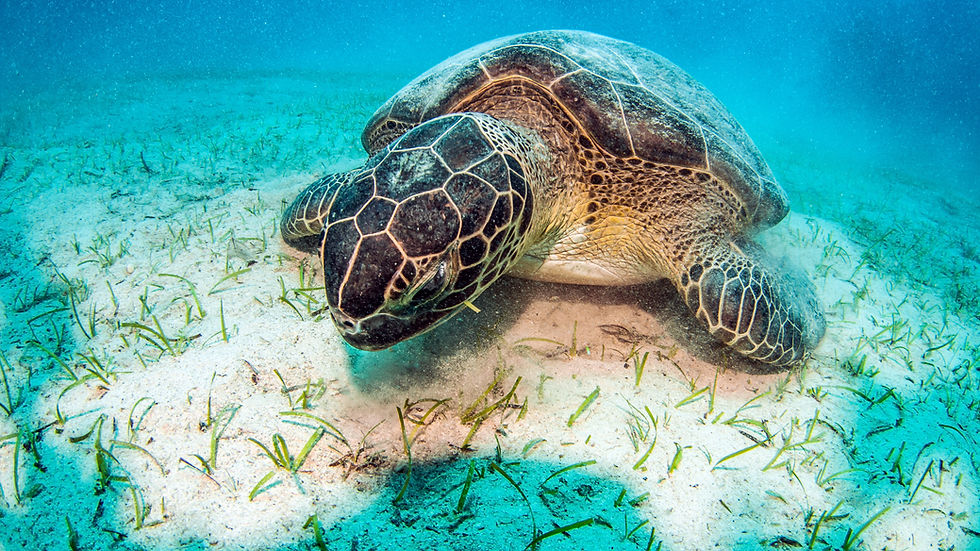
Green sea turtles graze on seagrass beds, preventing overgrowth that can smother coral reefs. Healthy seagrass beds support fish populations and protect coastlines from erosion. They’re like the gardeners of the ocean!
Freshwater Turtles and Wetlands
Freshwater turtles contribute to wetland health by consuming dead animals and plants. This helps reduce disease and maintain water clarity. Who knew turtles could be such great cleaners?
Tortoises and Desert Ecosystems
Desert tortoises dig burrows that provide refuge from extreme temperatures for many desert species. This supports survival in harsh conditions. They’re the unsung heroes of the desert!
Threats Facing Turtle Populations
Despite their importance, turtles face many dangers that have caused dramatic population declines worldwide. Here are the main threats they encounter:
Habitat Loss
Urban development, agriculture, and pollution destroy or fragment turtle habitats. This makes it difficult for them to find food, mates, and nesting sites. We need to do better!
Illegal Wildlife Trade
Turtles are often captured for pets, food, or traditional medicine. This trade reduces wild populations and disrupts ecosystems. Please stay away from those businesses; they’re harmful to our turtle friends.
Climate Change
Rising temperatures affect turtle nesting success and sex ratios. Since temperature determines the sex of many turtle hatchlings, changes in weather patterns also impact food availability. It’s a tough world out there for our shelled pals.
Bycatch and Pollution
Many turtles get accidentally caught in fishing gear or ingest plastic waste. This leads to injury or death. We must all do our part to keep our oceans clean!
Conservation Efforts That Make a Difference
Protecting turtles requires coordinated efforts from governments, communities, and conservation groups. Here are some effective strategies:
Protected Areas
Establishing reserves and marine protected zones safeguards critical habitats from destruction and human interference. These areas are vital for turtle survival.
Nesting Site Protection
Volunteers and organizations monitor beaches to protect turtle nests from predators and human disturbance. Every egg counts!
Legislation and Enforcement
Laws banning illegal trade and harmful fishing practices help reduce threats to turtles. Strong enforcement is crucial for these laws to be effective.
Community Engagement
Educating local populations about turtles’ roles encourages support for conservation. When people understand how important turtles are, they’re more likely to protect them.
Research and Monitoring
Tracking turtle populations and health provides data to guide effective conservation strategies. Knowledge is power!
Join the Conservation Movement
Turtles are vital to our ecosystems, and their conservation is essential for maintaining biodiversity. By understanding their roles and the threats they face, we can all contribute to their protection.
Stay alert, spread the information, and play your part. Together, we can make a difference for these incredible creatures.
Sincerely yours.
The Diving Bear