

Understanding the Depths of Technical Diving: Short Introduction to Advanced Diving Techniques Explored
- thedivingbear
- 20 minutes ago
- 4 min read
Diving into the deep blue is thrilling, but have you ever wondered what lies beyond the recreational limits? That’s where technical diving comes in. It’s like the secret level in a video game—more challenging, more gear, and definitely more rewarding but to he honest, more dangerous too. If you’re curious about pushing your underwater boundaries, stick around. I’m here to share everything about advanced diving techniques, well, at least what I can share. I am not a technical diver, I learned a bit here and there and from technical divers. I have not tried it (yet?). Anyway, its worth to know some stuff about it even if its just to enrich your overall knowledge.
What Are Advanced Diving Techniques?
Before we dive deeper (pun intended), let’s talk about what makes diving advanced. Advanced diving techniques go beyond the usual open water dives. They involve:
Diving deeper than 130 feet (40 meters)
Using specialized gas mixtures like trimix or nitrox
Planning for decompression stops
Navigating through caves, wrecks, or other challenging environments
These techniques require extra training, experience, and equipment. Think of it as leveling up your diving skills to explore places most divers only dream about.
For example, when one goes on a deep wreck dive, he/ she must carefully plan the gas consumption and decompression stops. It is a bit like solving a complex puzzle underwater, but the payoff? Incredible views and a rush like no other.

Getting to Know Technical Diving Gear
Technical diving isn’t just about going deep; it’s about being prepared for the unexpected. Read it again it's key!
The gear setup is more complex than your typical scuba kit. Here’s a quick rundown of what you might see in a tech diver’s bag:
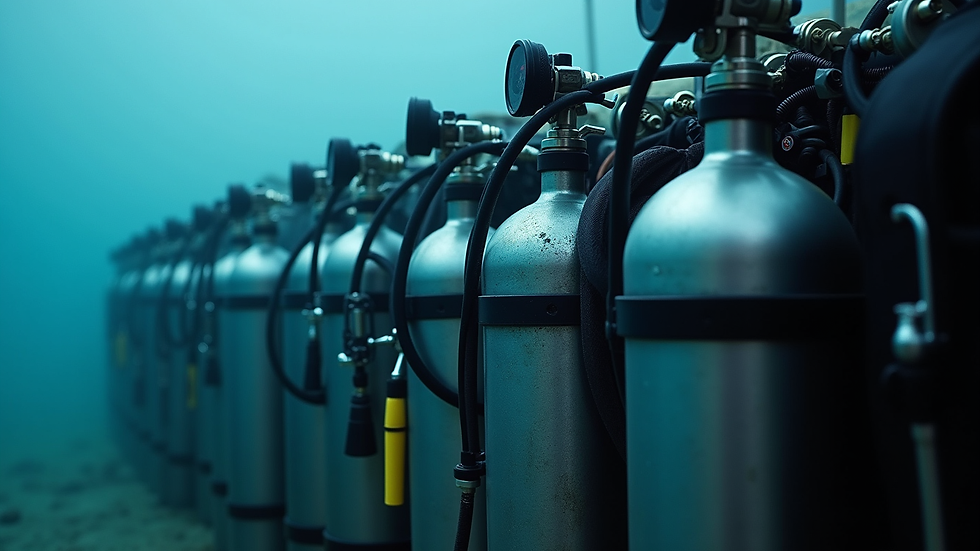
Multiple tanks: Often two or more, carrying different gas mixes.
Redundant systems: Backup regulators, masks, and computers.
Dive computers: Specialized models that handle complex decompression algorithms.
Reels and lines: For navigation in caves or wrecks.
Stage bottles: Extra gas supplies for long decompression stops.
How Much Do Tech Divers Make?
Now, you might be wondering, “Can I make a living from technical diving?” The answer is: it depends. Technical diving is often a passion rather than a paycheck, but there are some career paths where it pays off.
Commercial diving: Working on underwater construction, inspections, or repairs can be lucrative.
Scientific diving: Assisting marine biologists or archaeologists.
Underwater photography/videography: Capturing rare shots in challenging environments.
Technical dive instructor: Teaching others the ropes.
Salaries vary widely based on location, experience, and specialization. For instance, commercial tech divers in offshore oil industries can earn six figures, while instructors might earn less but enjoy the thrill of sharing their passion.
Personally, I’ve found that the real reward isn’t always the money—it’s the experiences and the community you build. But let's not be too idealistic about it, most of us do need the 9 to 5 office job to pay the bills (if you know a trick to go around that please share).
Safety First: Managing Risks in Technical Diving
Technical diving is not for the faint-hearted. The risks are real, but with the right mindset and preparation, you can manage them effectively.
Here are some key safety tips:
Get proper training: Never attempt tech dives without certified courses.
Plan meticulously: Dive plans should include gas management, decompression schedules, and emergency procedures.
Use reliable equipment: Regular maintenance and checks are a must.
Dive with a buddy: Preferably someone equally trained.
Stay within your limits: Know your skills and physical condition.
You all heard the saying: “Plan your dive and dive your plan.” It’s simple but powerful advice that keeps you safe and confident underwater.
Why I Would Love Technical Diving and You Might Too
Exploration: Access places no recreational diver can reach.
Skill mastery: Hone your abilities and problem-solving underwater.
Community: Join a passionate group of divers who share your enthusiasm.
Conservation: Many tech divers contribute to marine research and preservation.
For me, tech dive looks like a mini adventure. The planning, the anticipation, the moment you descend into the unknown—it’s a rush that never gets old.
If you’re ready to take your diving to the next level, consider starting with an advanced diving course. It’s a fantastic way to build confidence and learn the ropes safely.
Technical diving opens up a whole new world beneath the waves. It’s challenging, rewarding, and yes, a bit intimidating at first. But with the right training, gear, and mindset, you can explore the depths like never before. Nonethless, I admit I am still on the edge; as mentioned, your increase the level or risk and its a choice to make. Regardless, it doesn't hurt to learn the basics of tech diving or why not just do an introduction course to have a feel?
So, are you ready to dive deeper? The ocean is waiting.
Sincerely yours,
The Diving Bear


Comments